← All modules

Module 08 · Sales · 15 min

Prospecting with Purpose

Find the right homeowners, earn permission to inspect, and follow up without pressure or promises.

Start with a reason, not a scare tactic

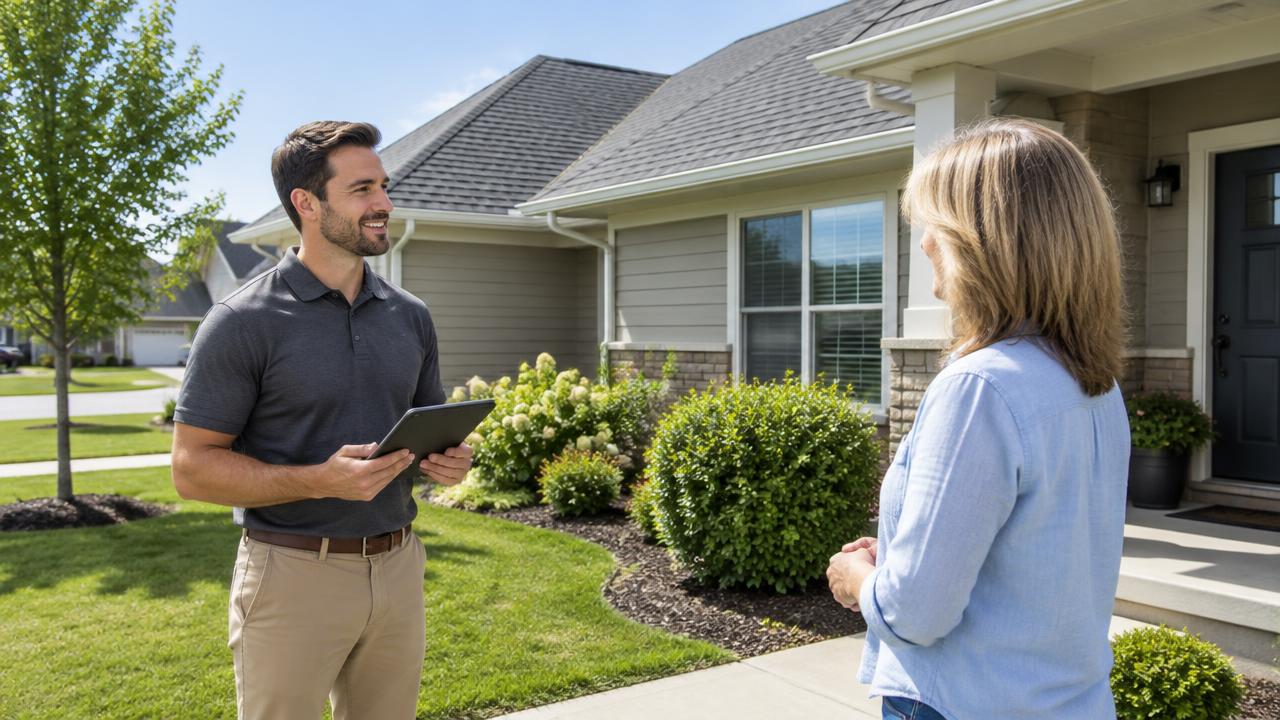
Prospecting starts a relationship; it does not diagnose a roof from the curb. A storm report is a reason to offer an inspection, not proof that a particular home has damage. Identify yourself and your company, explain why you are there, and ask permission before continuing.

Illustrative AI-generated scene: a respectful introduction on a homeowner’s walkway.
Choose your area
Use verified storm history, service territory and actual roofing needs. Never tell a homeowner their roof is damaged before inspecting it.
Respect the boundary
Follow local solicitation rules and permit requirements, honor no-soliciting signs, and leave promptly when asked. Never enter a yard or climb a roof without permission.
Build referral channels
Ask satisfied customers for introductions and honest reviews. Build relationships with property managers and local businesses without misrepresenting endorsements.
Permission-based outreach
Use lawful calling, texting and email practices. Check applicable do-not-call and consent rules; record opt-outs and stop unwanted contact.

A doorstep conversation

Practice script — replace the bracketed details with truthful information: ‘Hi, I’m [name] with [company]. We’re checking roofs in the area after [verified storm date]. That doesn’t mean your roof has damage. Have you noticed leaks or loose shingles? Would you like to schedule an inspection and review the photos together?’

Discover the need
Ask about roof age, leaks, prior repairs, homeowner priorities and who should join the appointment. Listen before offering a solution.
Explain the appointment
State the inspection scope, any cost, access needed, approximate time and what the customer will receive. Do not imply that an inspection commits them to a replacement.
Handle ‘not interested’
Say ‘Understood, thank you for your time.’ Offer contact information only if welcome; do not argue or manufacture urgency.

Turn an introduction into a clear next step

Confirm the appointment, preferred contact method and permission to follow up. Record only necessary customer details in your approved company system. After inspection, follow up with the promised photos and a specific next step—not repeated ‘just checking in’ messages. Measure appointments held and satisfied customers, not just doors knocked.

Training videos

Independent training resources, not StormBuddy endorsements. Follow this lesson’s safety and ethical standards; local rules and manufacturer requirements take precedence. Internet access is required. If playback is unavailable, use the YouTube link.

Your 1st Second at the Door and What NOT to Do

Your 1st Second at the Door and What NOT to Do

The STRONG Roofer™ with Adam Bensman

Consider the homeowner’s perspective and your first impression. Pair the conversation examples with this lesson’s permission-based approach: respect no-soliciting signs, accept a no and never diagnose from the curb. Includes promotion of the creator’s sales resources.

Watch on YouTube

Knowledge check

Score 70% or higher to pass this module.

1. A storm report for a neighborhood proves:

2. A homeowner asks you to leave. What should you do?

3. Before follow-up messages, establish: