← All modules

Module 05 · Field · 12 min

Identifying Wind Damage

Creased tabs, lifted seals, missing shingles and the directional story of a wind event.

How wind damages a roof

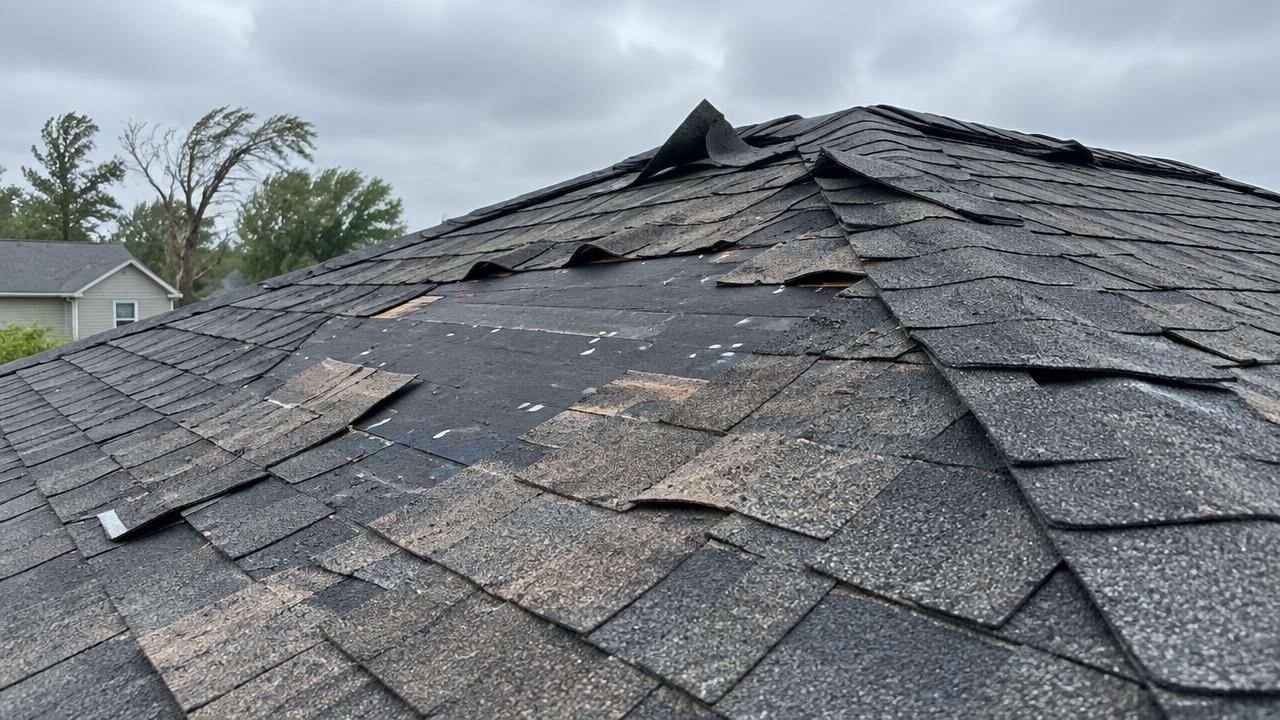
Wind lifts shingle edges, breaks the sealant bond, and folds the shingle back. Once a seal is broken, the shingle keeps flapping and eventually creases or tears off.

Wind damage: missing shingles, exposed underlayment and lifted tabs near the ridge.
Creased shingles
A horizontal crease line across the tab, usually near the nail line. Creased shingles are damaged even if still in place.
Broken seal strips
Shingles lift easily by hand with clean, non-tacky sealant. Document with a gentle lift test.
Missing shingles / tabs
Exposed underlayment or nail heads. Check the yard for debris.
Ridge and edge loss
Ridge cap, rakes and eaves fail first since wind pressure peaks there.

Tell the story

Wind damage is directional. Match the damaged slopes to the reported wind direction from storm data. Photograph creases with light raking across them so the line shows clearly.

Training videos

Independent training resources, not StormBuddy endorsements. Follow this lesson’s safety and ethical standards; local rules and manufacturer requirements take precedence. Internet access is required. If playback is unavailable, use the YouTube link.

How to inspect a roof for wind damage (Training)

How to inspect a roof for wind damage (Training)

K&L Dunrite Roofing

Look for missing shingles and creasing, then distinguish observations from conclusions. This contractor demonstration does not establish insurance coverage or replace safe access procedures.

Watch on YouTube

Knowledge check

Score 70% or higher to pass this module.

1. Where does wind damage usually start?

2. A shingle with a crease but still attached is: